The Psychology of Colour in Architecture
Colour in architecture can impact mood and ambience, impacting us emotionally and physically. The influence such as colour plays on our mood; warmer colours like red and orange are associated with upliftment and energy, whereas cooler colours such as blue and green enhance calmness and relaxation.

Perforated Sheet, Wall System, Walls & Partitions, Woven Mesh / The Metworks Building - Access Creative Collage
Stimulating VS Calming Environments
The use of colour can also alter how we perceive dimensions of a space. Darker colours make a room feel smaller, whilst lighter colours create the illusion of a spacious and open room. Moreover, colour enhances the functionality of a space. Bright colours have been found to improve learning in educational and work environments. This is down to the ability of colour to influence and accelerate learning and creativity. Vibrancy in coloured architecture enables people to be inspired, creative and curious.
Tactile Engagement
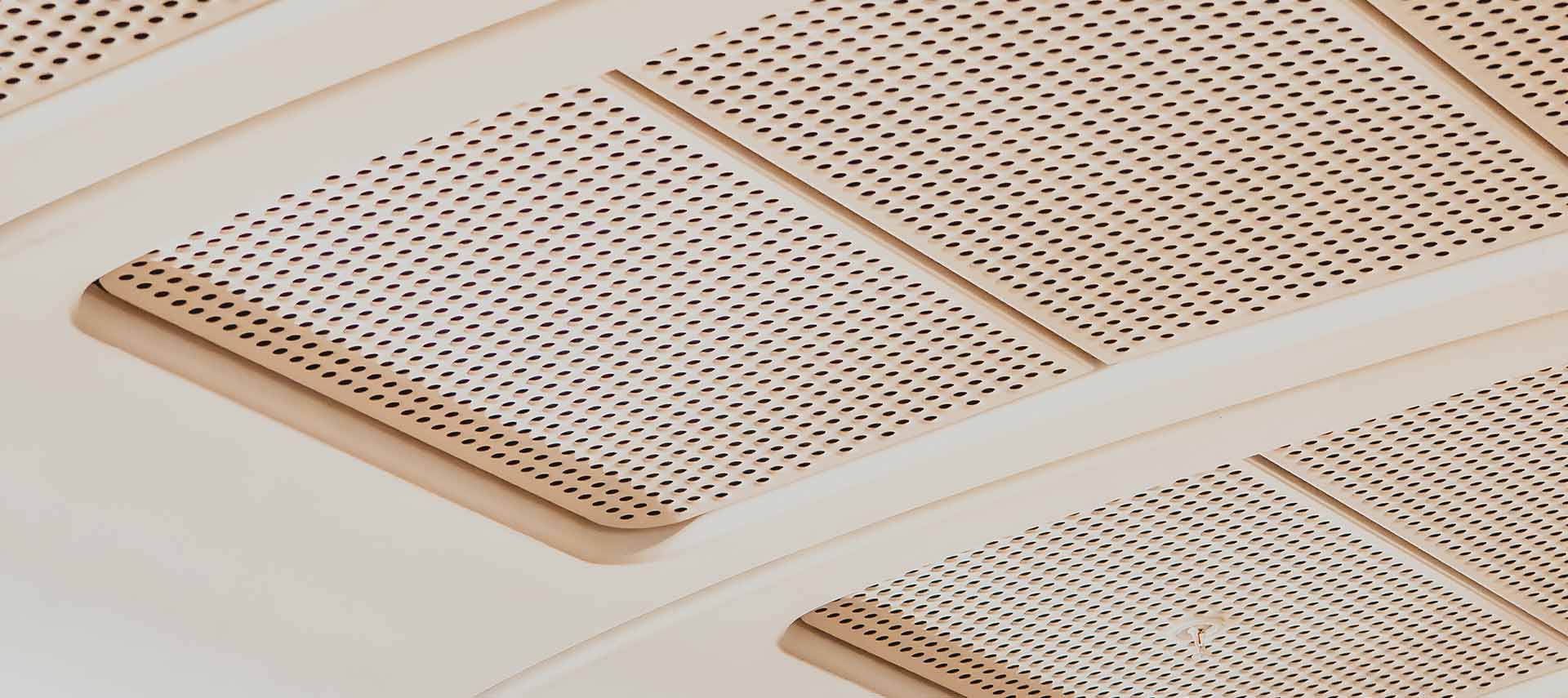
Textures in architecture invite touch and engagement, making spaces feel more human and less clinical. Thoughtful contrast and textures can also help aid those with visual or cognitive differences. Natural materials and textured surfaces such as brushed metals, perforated, expanded and woven panels can introduce warmth and depth. Creating the perception of comfort.

Metal Drapery, Perforated Sheet, Wall System, Woven Mesh / 58 Mosley Street - Aviary Manchester
Biophilic Influence
Corten and aged copper powder coats add texture and muted natural tones. Nature-inspired surfaces such as organic textures and earthy colours can reduce anxiety, improve wellbeing and increase productivity. External cladding styles, finishes can influence how buildings fit into their environment.
Incorporating colour psychology into architectural design allows us to create environments that are not only beautiful but also psychologically curated. By understanding the impact of colours, architects can design spaces that cater to the functionality for their users; from education to play, colour impacts how we use a space, feel in a space and behave in a space.
If you have any enquiries, please contact our team. Get in touch with us today to start designing.
📞 +44 (0)1702 527545
📧 sales@global.amronarchitectural.co.uk