25th June 2026
Circular by Design
As the construction industry continues to address its environmental impact, architects and designers are increasingly looking beyond operational efficiency and focusing on the entire lifecycle of a building. This shift has brought circular design to the forefront of architectural thinking, encouraging the use of materials and systems that can be reused, repurposed and recycled long after their initial installation.
Rather than following the traditional “take, make, dispose” model, circular design aims to keep materials in use for as long as possible, reducing waste and preserving valuable resources. For architects, this means selecting products that not only deliver on aesthetics and performance but also contribute to a more sustainable built environment.
What is Circular Design?
Circular design is an approach that considers the full lifecycle of a building and its materials from the earliest stages of a project. The goal is to minimise waste by designing systems and products that can be adapted, reused, repaired or recycled at the end of their service life.
This philosophy is becoming increasingly important as the construction sector works towards net-zero targets and responds to growing environmental regulations. By specifying materials that support circularity, architects can help reduce embodied carbon, minimise landfill waste and create buildings that remain valuable for generations.
Why Material Selection Matters
The materials chosen during the design phase have a significant influence on a building’s environmental footprint. While factors such as durability, maintenance and performance have always been important, there is now greater emphasis on how materials can contribute to a circular economy.
Products with long lifespans, minimal maintenance requirements and high recyclability offer considerable advantages. They reduce the need for replacement, lower resource consumption and support sustainable construction practices throughout the life of a building.
For this reason, architects are increasingly seeking materials that combine design flexibility with strong environmental credentials.
The Circular Benefits of Architectural Metal Mesh
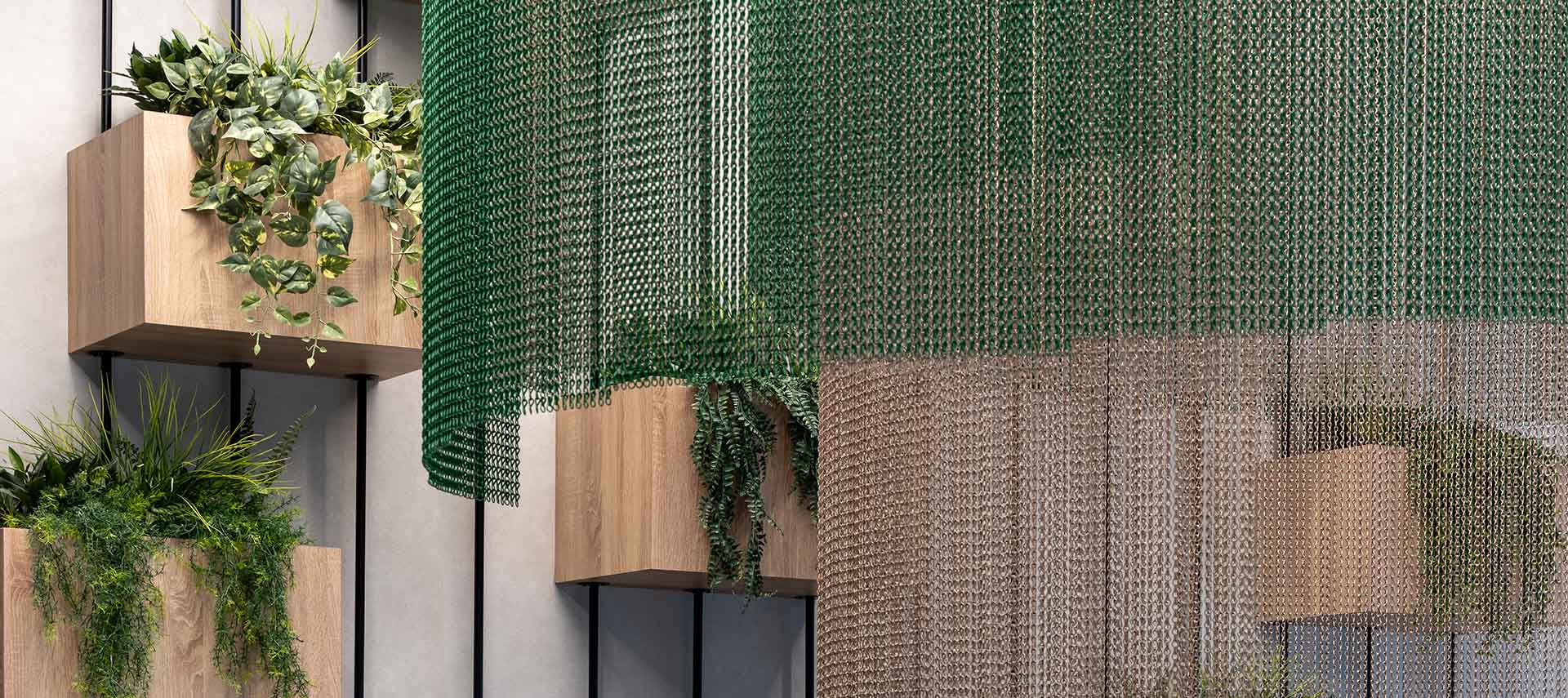
Architectural metal mesh is a strong example of a material that aligns with circular design principles.
Manufactured from metals such as stainless steel, aluminium, brass and copper, woven mesh systems are exceptionally durable and can maintain their appearance and performance for decades. Their longevity reduces the need for replacement and helps extend the lifespan of the overall building envelope or interior installation.
Importantly, metal mesh can also be fully recycled at the end of its service life without compromising material quality. Unlike many construction products that are downcycled or sent to landfill, metals can be recovered and reintroduced into the manufacturing process, supporting a closed-loop material cycle.
This combination of durability, adaptability and recyclability makes architectural mesh an increasingly attractive option for sustainable design projects.
Designing for Adaptability and Longevity
One of the key principles of circular design is adaptability. Buildings that can evolve with changing user requirements are more likely to remain useful and avoid premature demolition or refurbishment.
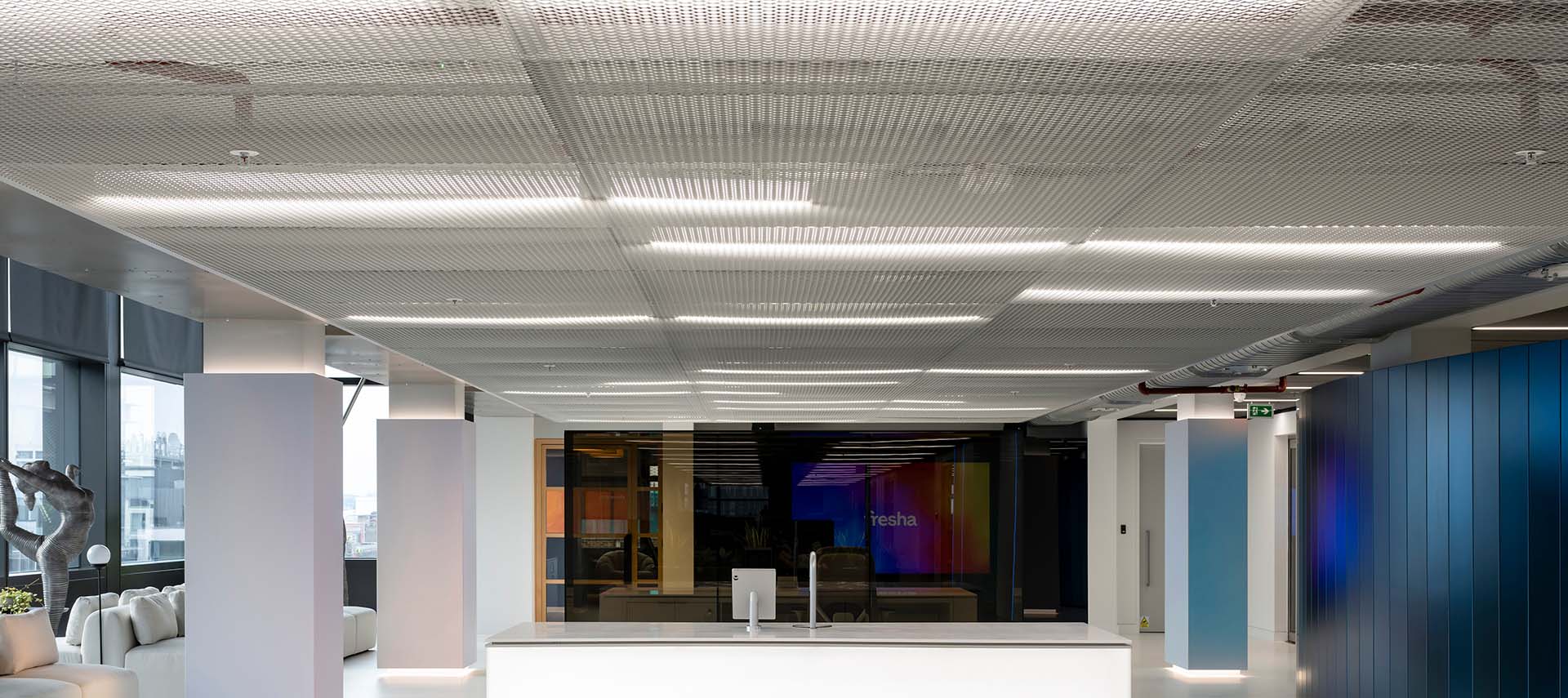
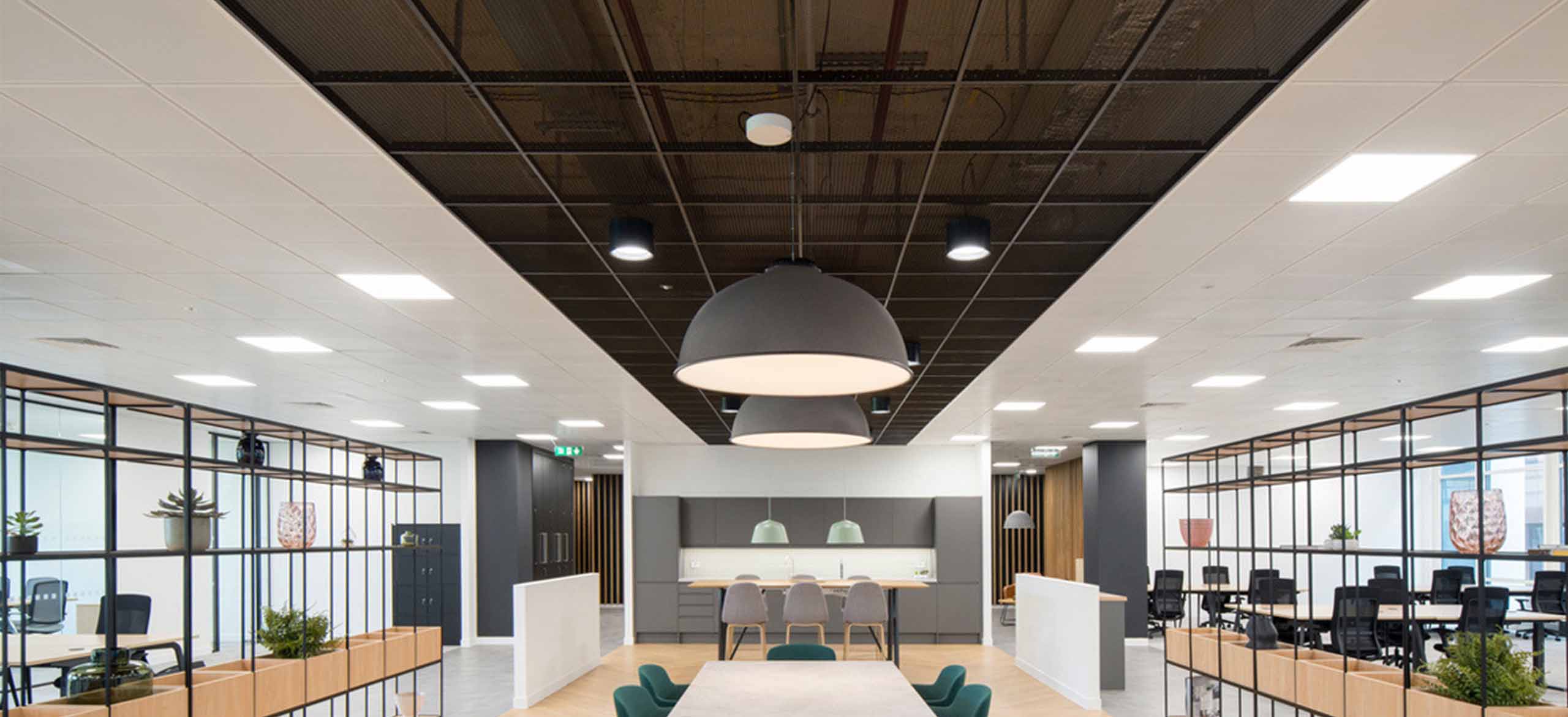
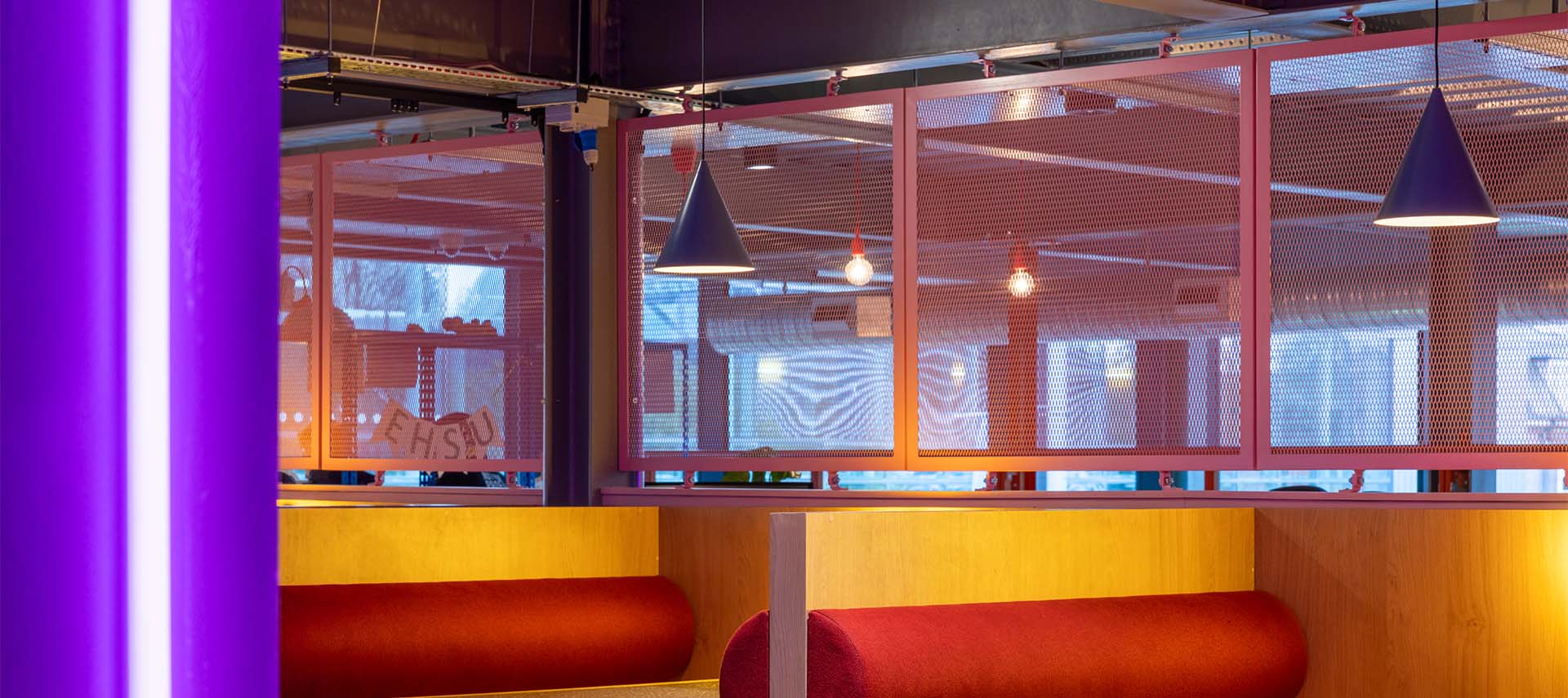
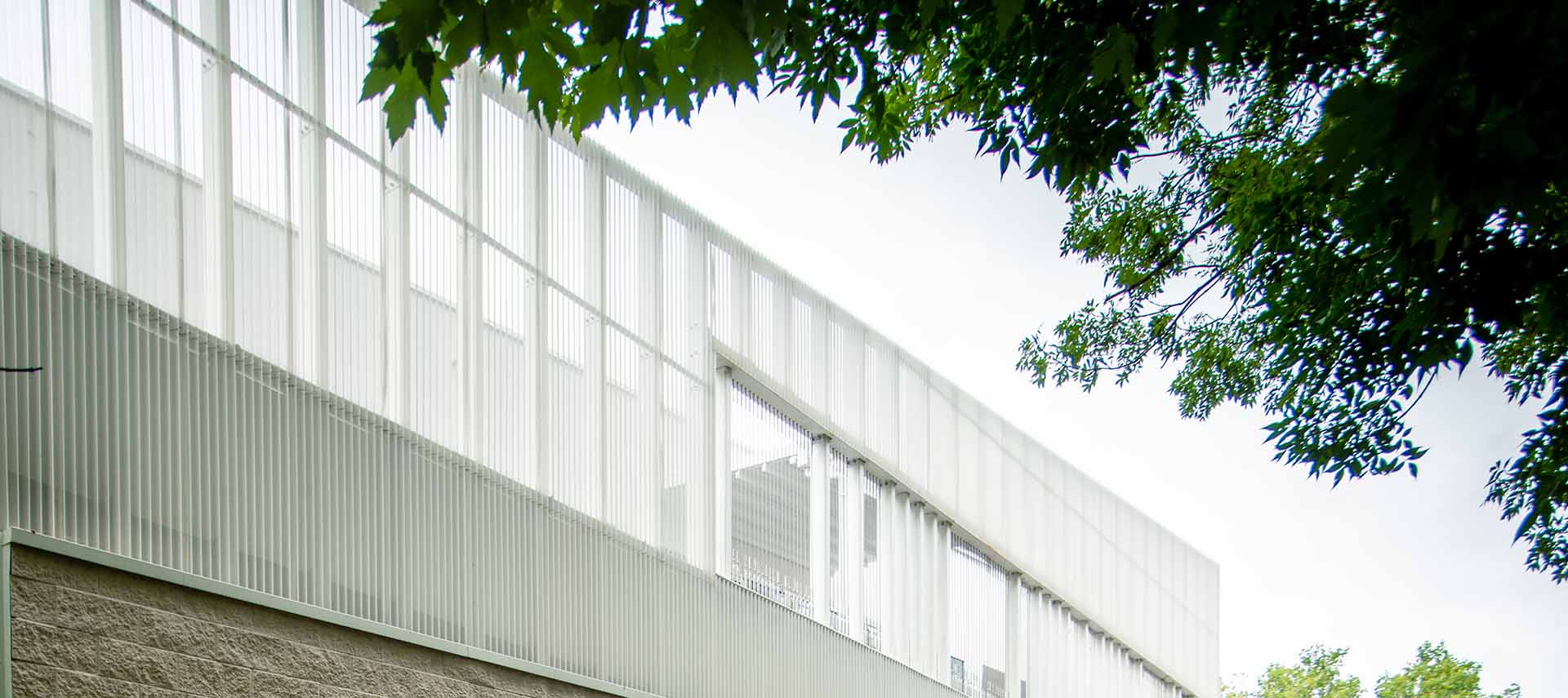
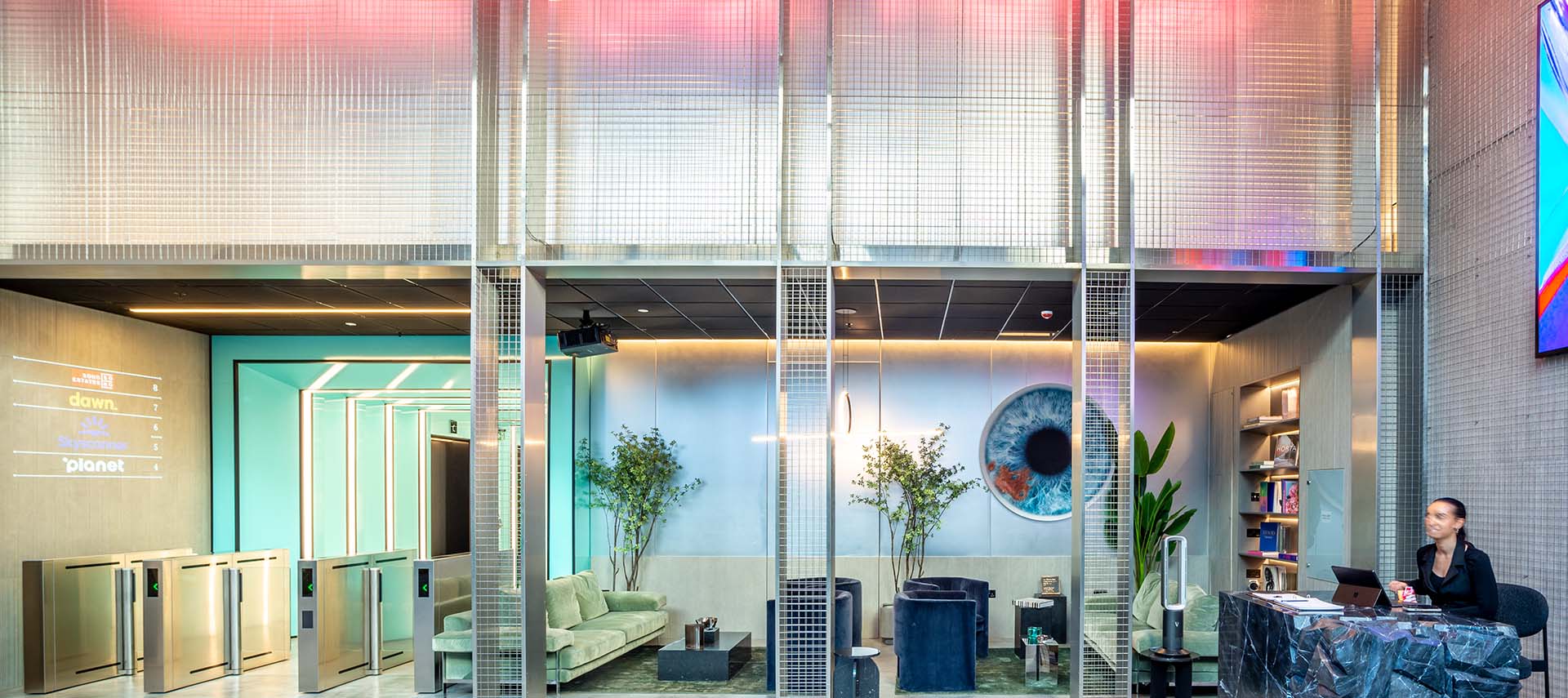
Architectural mesh supports this approach through its versatility across a wide range of applications. From façade systems and balustrade infills to ceiling features, room dividers and screening solutions, mesh can be integrated into projects in ways that allow spaces to adapt over time.
Many of the projects featured by Amron demonstrate how mesh can provide both functional and aesthetic value while supporting long-term performance. Whether creating solar shading, enhancing ventilation or delivering visual transparency, mesh offers a flexible solution that can continue to perform as building requirements change.
Supporting Sustainable Architecture Through Intelligent Specification
Sustainability is no longer a standalone consideration—it is becoming an integral part of good design. As architects and designers seek ways to reduce environmental impact without compromising creativity, material selection plays a critical role.
By specifying products that are durable, reusable and recyclable, design teams can contribute to a more circular built environment while creating spaces that are built to last.
Architectural metal mesh offers a practical example of how material performance, design freedom and sustainability can work together. Its longevity, adaptability and recyclability make it a valuable component in projects seeking to balance aesthetic ambition with environmental responsibility.
Looking Ahead
Circular design is reshaping how we think about buildings, materials and long-term value. As the industry continues to move towards more sustainable construction practices, architects have an opportunity to influence change through thoughtful specification and responsible material choices.
At Amron Architectural, we work closely with architects, designers and contractors to deliver architectural mesh solutions that combine performance, durability and design flexibility. By helping projects incorporate materials that support circular design principles, we can contribute to buildings that not only look exceptional today but continue to deliver value well into the future.
If you want to discuss your project and it’s sustainability, Amron Architectural would love to help you find a solution. Get in touch with us and begin problem-solving with circular design today.